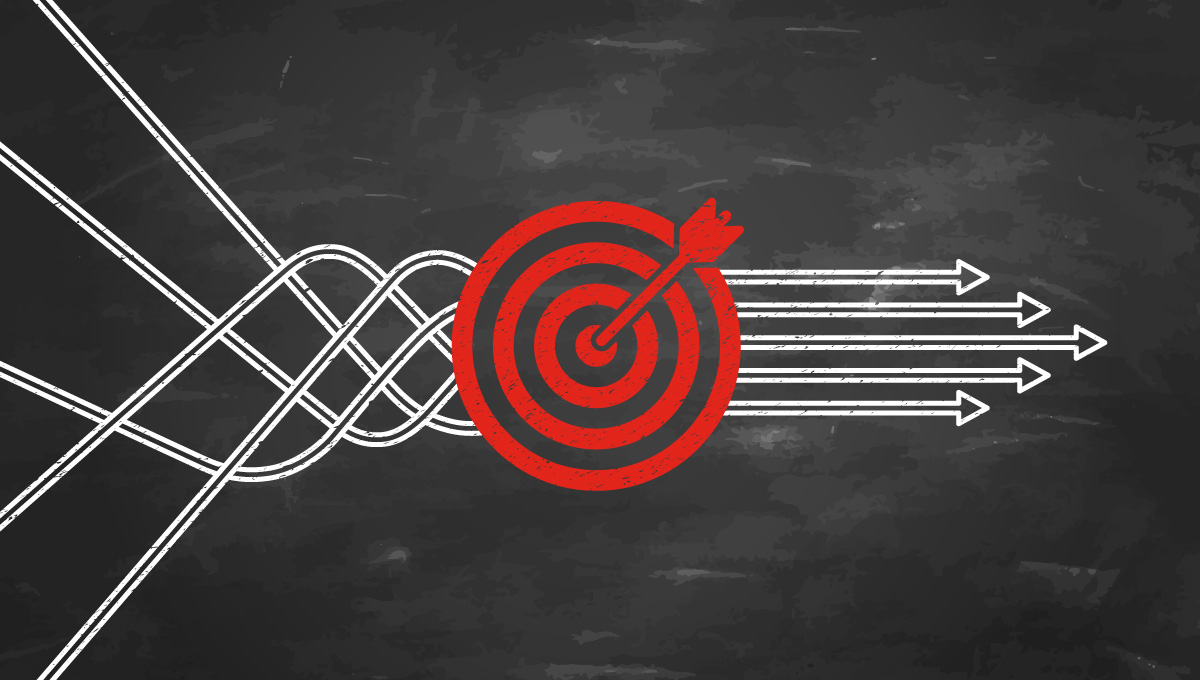
Die meisten Organisationen, die Szenarioplanung betreiben, stehen vor demselben Problem: Die Szenarien sind gut, doch die daraus resultierenden Entscheidungen tragen ihnen nicht Rechnung.
Szenarioplanung ist die Erstellung von Szenarien – die Modellierung zukünftiger Entwicklungen, die Bewertung von Risiken und die Ermittlung möglicher Veränderungen. Als Nächstes ist das „Szenario-Handeln“ vorgesehen: Man greift auf diese Szenarien zurück, wenn eine konkrete Entscheidung ansteht, nutzt sie zur Bewertung der Optionen und aktualisiert sie, sobald die ihnen zugrunde liegenden Annahmen nicht mehr zutreffen. Die meisten Organisationen haben für den ersten Fall einen Prozess eingerichtet. Kaum jemand hat eines für den zweiten gebaut.
Die Kosten werden deutlich, wenn sich die Rahmenbedingungen ändern und Führungskräfte schnell handeln müssen. Anstatt bestehende Szenarien zur Bewertung von Optionen heranzuziehen, müssen Teams unter Zeitdruck häufig Annahmen neu formulieren, Vor- und Nachteile überdenken und die Interessengruppen neu aufeinander abstimmen. Die Szenarien wurden entwickelt – der Prozess für deren Anwendung im Moment der Entscheidung jedoch nicht.
Wo es zu einer Diskrepanz kommt
In einem typischen jährlichen Planungszyklus erarbeiten die Teams Szenarien, bewerten Risiken und legen eine Richtung fest. Die Szenarien werden in einem Stapel abgelegt – und die Fragen, die sich im Zusammenhang mit dem Szenario-basierten Handeln stellen, bleiben unbeantwortet: Wer ist dafür verantwortlich, die relevanten Szenarien hervorzuholen, wenn eine Entscheidung ansteht? Wie aktuell müssen sie sein, bevor sie herangezogen werden? Welche Entscheidungen sollen sie beeinflussen, und welche werden ohne ihre Mitwirkung getroffen? Ohne Antworten auf diese Fragen bleiben die Szenarien ungenutzt.
Die meisten Organisationen verfügen über bessere Szenarien als über Prozesse zu deren Umsetzung.
Planungsprozesse sind darauf ausgelegt, zu einem Abschluss zu gelangen – eine Richtung festzulegen, ein Budget zu genehmigen und mit der Umsetzung zu beginnen. Genau das macht sie so nützlich. Dies bedeutet jedoch auch, dass die Szenarien, die den Plan geprägt haben, eher zu Artefakten des Prozesses werden als zu Tools für die darauf folgenden Entscheidungen.
Wie Szenario-Schauspiel in der Praxis aussieht
Das Szenario-Spiel ist eine spezifische Methode: Wenn eine Entscheidung ansteht, werden die relevanten Szenarien herangezogen, auf ihre Richtigkeit geprüft und dazu genutzt, die Bewertung der Optionen zu strukturieren.
Eine Organisation, die ihre Szenarien für wichtige Entscheidungen nutzt, hat eine Verbindung zwischen Planung und Umsetzung hergestellt, die bei den meisten Planungsprozessen nie zustande kommt.
In einer Organisation, die Szenario-Simulationen durchführt, löst ein Hinweis eines Großkunden auf ein Vertragsrisiko eine strukturierte Überprüfung aus. Das Team geht eine Reihe von Fragen durch, wie zum Beispiel: Welchem unserer bestehenden Szenarien entspricht diese Situation? Was sagt dieses Szenario darüber aus, welche Prioritäten Bestand haben und welche nicht? Welche in diesem Szenario zugrunde gelegten Annahmen müssen angesichts unseres heutigen Wissensstands aktualisiert werden? Die Szenarien treffen nicht die Entscheidung – sie legen fest, welche Investitionen unter welchen Bedingungen unterschiedlich aussehen und wo das Unternehmen die Vor- und Nachteile bereits vorgenommen hat.
Wo Ihr Prozess ins Stocken gerät
Die meisten Organisationen sind noch nicht so weit – und diese Lücke besteht in der Regel in der Prozessgestaltung, nicht in den Szenarien. Anhand dieser Fragen können Sie feststellen, wo bei Ihnen Schwachstellen auftreten.
Was geschieht mit Ihren Szenarien zwischen den Planungszyklen? Sollten diese bis zum Beginn der Planung für das nächste Jahr unverändert bleiben, wird der Prozess beendet, wenn die Präsentation fertig ist. Das Szenario-Management erfordert, dass Szenarien stets auf dem neuesten Stand gehalten werden: Die Annahmen müssen bei veränderten Rahmenbedingungen aktualisiert werden, und es ist darauf zu achten, wann Ereignisse beginnen, mit den Beschreibungen eines Szenarios übereinzustimmen.
Wird in Ihrem Planungsprozess ein klarer Verantwortlicher für die Prüfung von Szenarien benannt, wenn sich die Rahmenbedingungen ändern? Ohne diese in den Prozess integrierte Rechenschaftspflicht wird keine Verbindung zwischen den Szenarien und den Entscheidungen hergestellt – ganz gleich, wie gut die Szenarien ausgearbeitet wurden.
Szenarien bleiben ungenutzt, weil der Planungsprozess keinen Anlass bietet, sie heranzuziehen – nicht, weil niemand weiß, dass es sie gibt.
Wie lange dauert es, die Optionen zu prüfen, wenn sich etwas ändert? Wenn die Antwort „Wochen“ lautet, fließen diese Szenarien nicht in den Entscheidungsprozess ein. Organisationen, die Szenario-Simulationen durchführen, können innerhalb weniger Tage handeln, da die analytischen Frameworks und Entscheidungskriterien bereits vorhanden sind.
Mehr aus der Investition herausholen
Falls Ihr Unternehmen bereits Szenarioplanung betreibt, sind die Szenarien wahrscheinlich nicht das Problem. Die Lücke bezeichnet den Prozess, durch den diese Personen wieder in den Raum einbezogen werden, wenn eine wichtige Entscheidung getroffen werden muss.
Die Organisationen, die den größten Wert aus der Szenarioplanung ziehen, wenden eine einfache, aber selten praktizierte Vorgehensweise an: Sie legen fest, welche Entscheidungen eine Überprüfung des Szenarios auslösen sollen, weisen die Verantwortung für diese Überprüfung zu und halten die zugrunde liegenden Annahmen auf dem neuesten Stand. Genau das ermöglicht es ihnen, innerhalb von Tagen statt Wochen zu reagieren – mit klareren Vor- und Nachteilen, einer schnelleren Ausrichtung und mehr Vertrauen in die Entscheidungen, auf die es am meisten ankommt. Unser E-Book „Szenarioplanung für strategische Vorteile“ befasst sich damit, wie Organisationen diese Verbindung zwischen Planung und Entscheidungsfindung herstellen – einschließlich der Governance-Strukturen, Entscheidungs-Frameworks und praktischen Schritte, durch die Szenarien zu einer wiederholbaren Grundlage für wichtige Entscheidungen werden.
Entwickeln Sie einen Prozess für den Einsatz von Szenarien, wenn sich wichtige Entscheidungen ändern.
Erfahren Sie mehr darüber in unserem E-Book „Szenarioplanung für strategische Vorteile“
E-Book abrufen